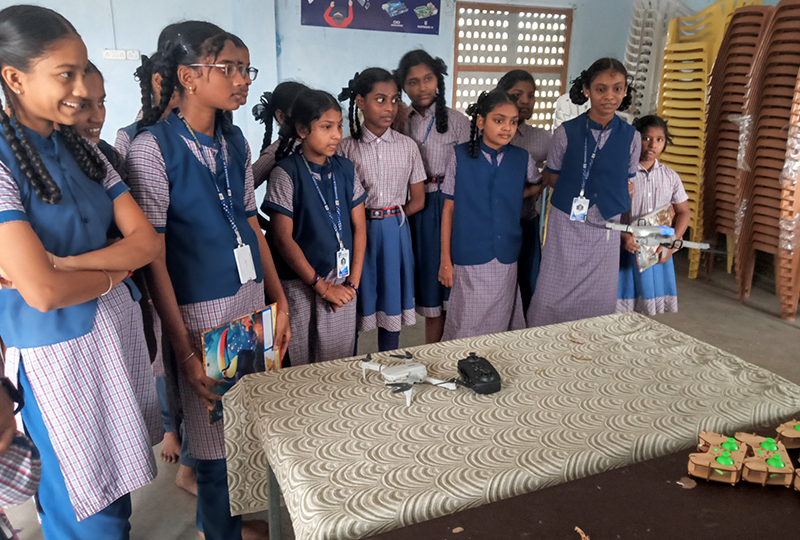
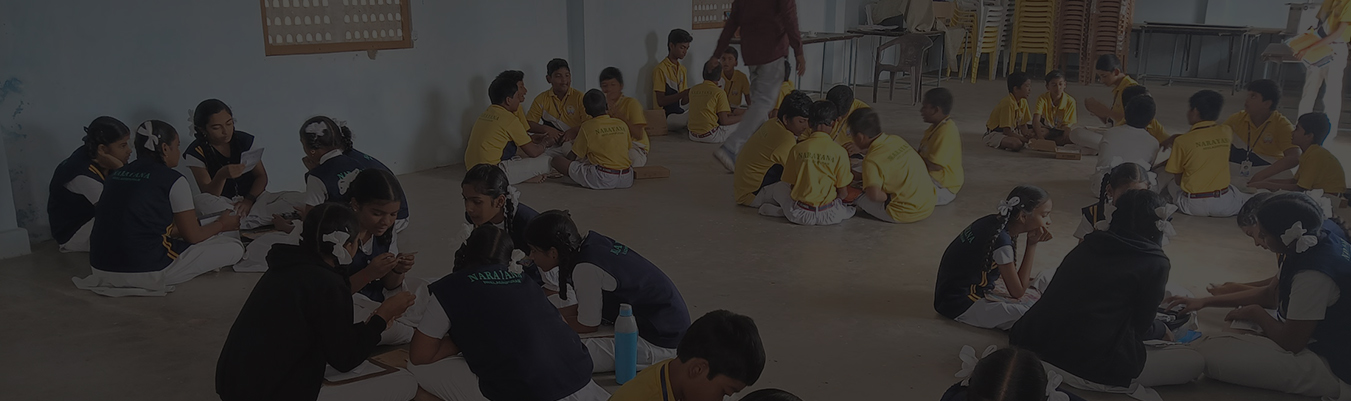

We follow dynamic and engaging approach that allows students to actively participate in their education. Instead of simply absorbing information from a textbook, students engage directly with the material through activities, experiments, and real-world applications.
This method encourages curiosity, problem-solving, and critical thinking, as children get the opportunity to explore concepts firsthand.
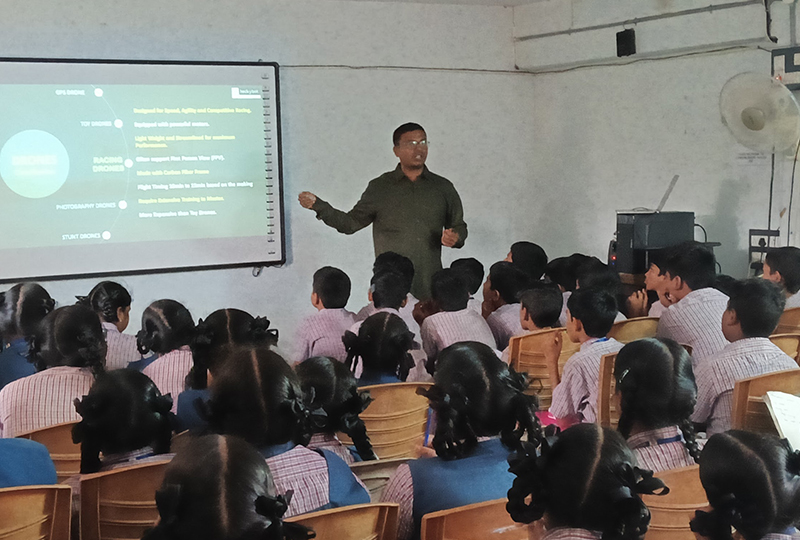
By incorporating images, videos, and diagrams, students are able to better grasp complex concepts and make connections between abstract ideas and real-world applications. This method caters to visual learners and engages multiple senses, making lessons more dynamic and memorable.
Visual-based teaching helps simplify difficult topics, clarify instructions, and encourage active participation, ensuring that students not only understand the material but are also motivated to learn. With its ability to bring content to life, visual-based teaching creates a more inclusive and interactive classroom environment.
Through hands-on projects and real-world applications, students can develop a deep understanding of how technology works, from building systems to solving complex problems. This approach sparks creativity and critical thinking, enabling students to design solutions, experiment with new ideas, and gain valuable skills in design, coding, and engineering.
By engaging with these fields at a young age, students are not only prepared for future careers in technology but also equipped with the problem-solving abilities and innovative mindset needed to tackle tomorrow’s challenges.